McKinsey’s 2025 State of AI survey found that 88% of respondents used AI regularly in at least one business function. Yet only about one-third said their organizations had begun scaling AI programs. McKinsey — The State of AI 2025
For teams that outsource MLOps engineering, the decision is less about adding people and more about assigning production responsibility clearly. This article compares three operating models and explains which controls, capabilities, and KPIs should guide the decision.

outsource MLOps engineering for production AI lifecycle
What Does It Mean to Outsource MLOps Engineering?
To outsource MLOps engineering means assigning defined production machine learning activities to an external IT Partner while your organization retains governance.
Machine learning operations (MLOps) connects model development with deployment, monitoring, retraining, and AI infrastructure management. Typical responsibilities include CI/CD, model registries, cloud environments, drift monitoring, rollback, and incident recovery.
The ownership boundary is critical. Your business should retain data policy, model risk, business objectives, approval authority, and escalation decisions.
Technical operations can move outside the organization, but accountability should not. Clear ownership prevents gaps between data science, cloud, security, and application teams.
Choosing Between In-House, Co-Managed, and External MLOps
The right model depends on internal capability, workload, model criticality, platform complexity, and governance maturity.
| Decision factor | In-house MLOps | Co-managed MLOps | External MLOps engineering |
| Internal capability | High | Medium to high | Low to medium |
| Platform responsibility | Internal | Shared | Selected activities delegated |
| Specialist gaps | Filled internally | Shared coverage | External capability added |
| Production workload | Internal | Shared | Selected workload transferred |
| Governance ownership | Internal | Internal | Internal |
| Best fit | Core ML platforms | Mixed capability | Skill or capacity gaps |
When in-house MLOps fits
Keep MLOps internally when sensitive model IP, regulation, or deep platform knowledge requires close technical ownership.
When co-managed MLOps fits
Co-managed MLOps suits teams that need specialist support while retaining substantial production responsibility. Ownership can be split by workload, environment, or lifecycle stage.
When external MLOps fits
Choose to outsource MLOps engineering when deployment backlogs, infrastructure complexity, or specialist gaps are slowing production releases.
A Global Delivery Service for MLOps can extend technical coverage without transferring governance. External engineering, however, cannot correct unclear approval rules or missing accountability.

external MLOps engineering operating model comparison
Five Criteria for Choosing an MLOps Engineering IT Partner
A strong evaluation starts with production discipline, not the number of tools an engineering team can name.
Step 1: Define Ownership Before Delivery
Document who builds, approves, deploys, monitors, retrains, and retires each model. Keep data ownership, model-risk policy, approval authority, and escalation decisions internal.
Step 2: Assess AI Infrastructure Management
Review experience across AWS, Microsoft Azure, Google Cloud, Kubernetes, Docker, infrastructure as code, and cloud monitoring.
The team should explain compute provisioning, access controls, utilization, recovery, and environment consistency. CMC APAC’s Cloud Services cover migration, modernization, managed operations, backup, and disaster recovery. CMC APAC Cloud Services
Step 3: Test Production MLOps Practices
Ask how engineers manage automated testing, CI/CD, model registries, drift alerts, rollback, and failed retraining jobs.
Good practices should expose production problems early and provide a controlled recovery path.
Step 4: Validate Security and Governance
Review identity controls, audit trails, environment isolation, data protection, DevSecOps, and incident procedures.
Security controls should cover both model pipelines and the infrastructure that runs them.
Step 5: Agree on Measurable Outcomes
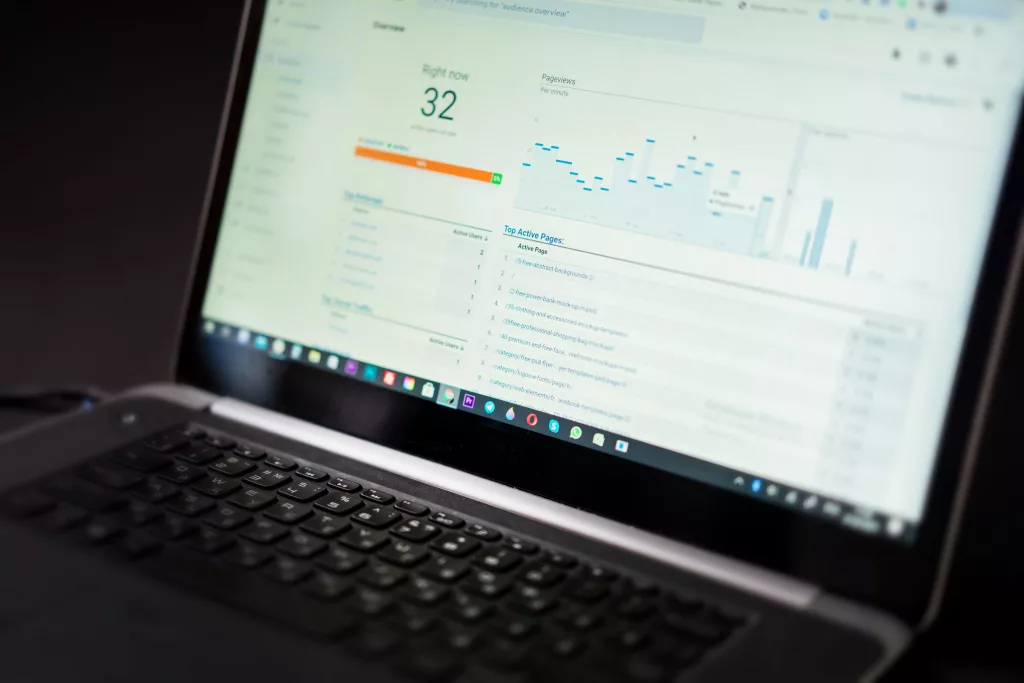
Set baselines for deployment lead time, failure rate, recovery time, availability, drift detection, infrastructure utilization, and engineering effort.
These measures make MLOps engineering services accountable to production outcomes instead of activity volume.
MLOps engineering metrics for model deployment reliability
Which AI Infrastructure Management KPIs Prove Business Value?
MLOps value should appear in release speed, reliability, engineering productivity, and infrastructure control.
When you outsource MLOps engineering, compare results against an agreed baseline. Track deployment lead time, failure rate, recovery time, availability, drift response, compute utilization, and cloud spending.
The causal link matters. Better automation reduces manual handoffs, while stronger observability helps teams identify failures earlier and recover faster.
Infrastructure efficiency should also produce measurable financial outcomes. CMC migrated 500 virtual machines and services, reducing total cost of ownership by 60% and operational costs by 20% for an entertainment and e-commerce client.or an entertainment and e-commerce client.
These figures are not universal MLOps benchmarks. They show why infrastructure outcomes should be measured alongside engineering performance.
AI infrastructure management for production MLOps
Frequently Asked Questions
Is it better to build MLOps internally or use an external team?
Neither model is automatically better. Choose according to internal capability, workload, model criticality, platform complexity, and governance requirements.
Which MLOps responsibilities should remain in-house?
Keep business accountability and governance inside your organization. Data ownership, model-risk policy, business objectives, approval authority, and escalation decisions should remain clear.
What is the difference between MLOps and DevOps?
MLOps extends DevOps practices into the machine learning lifecycle. It adds model versioning, training dependencies, retraining, drift detection, and ML-specific monitoring.
How does AI infrastructure management support MLOps?
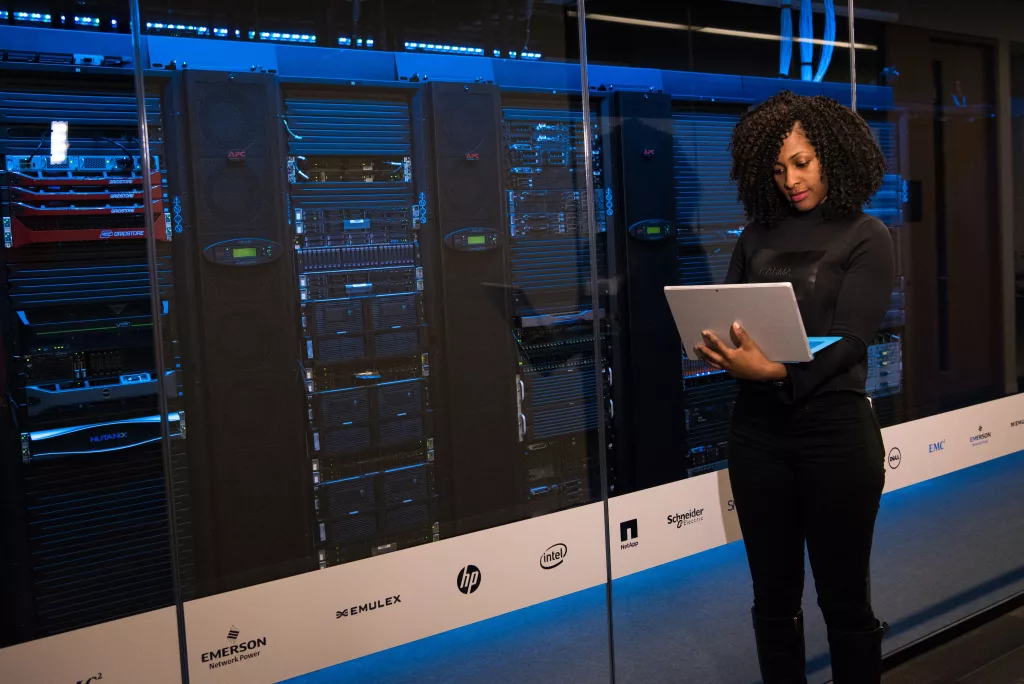
It keeps production ML environments observable and controlled. It covers compute, containers, identity controls, model serving, monitoring, and infrastructure utilization.
When Outsourcing MLOps Engineering Makes Sense
External delivery makes sense when specialist skill gaps, infrastructure complexity, or sustained production workload consistently delay model releases. Before you outsource MLOps engineering, define governance ownership, approval rules, operating boundaries, and measurable service outcomes.
As part of CMC Corporation, we are backed by the C.OpenAI open ecosystem, through which CMC has mastered 25 core technologies. For cloud capability, CMC is listed in the Gartner Market Guide for Public Cloud Managed and Professional Services, Asia/Pacific (2024) and recognized in the Gartner Magic Quadrant – Asia Pacific Context: Public Cloud IT Transformation Services (2025).
CMC works with global technology leaders, including SAP, Salesforce, and Automation Anywhere. CMC was named a Bronze Stevie® Winner at the 2025 Asia-Pacific Stevie Awards for the AIX-DX Consulting Model in Innovation in Digital Transformation – Computer Industries.
For leaders deciding whether to outsource MLOps engineering, the priority is reliable production ownership without losing internal governance. At CMC APAC, we combine Cloud Services, AI Services, and Best-Shore Delivery to support that model.
Explore how the approach can fit your production environment. Discuss your MLOps engineering requirements with CMC APAC